
Not because I enjoy politics or want to debate the issue of the day. Instead, I’ve learned that what society is talking about today often becomes what employers are calling me about six months or a year from now.
Think about some of the workplace conversations we’ve seen evolve over time: mental health, pay transparency, workplace flexibility, pregnancy accommodations, and employee well being.
Often, these conversations don’t begin with a new employment law. They begin with changing expectations.
In many ways, paying attention to emerging workplace and social trends can give employers a glimpse into the employee relations issues that may be just around the corner.
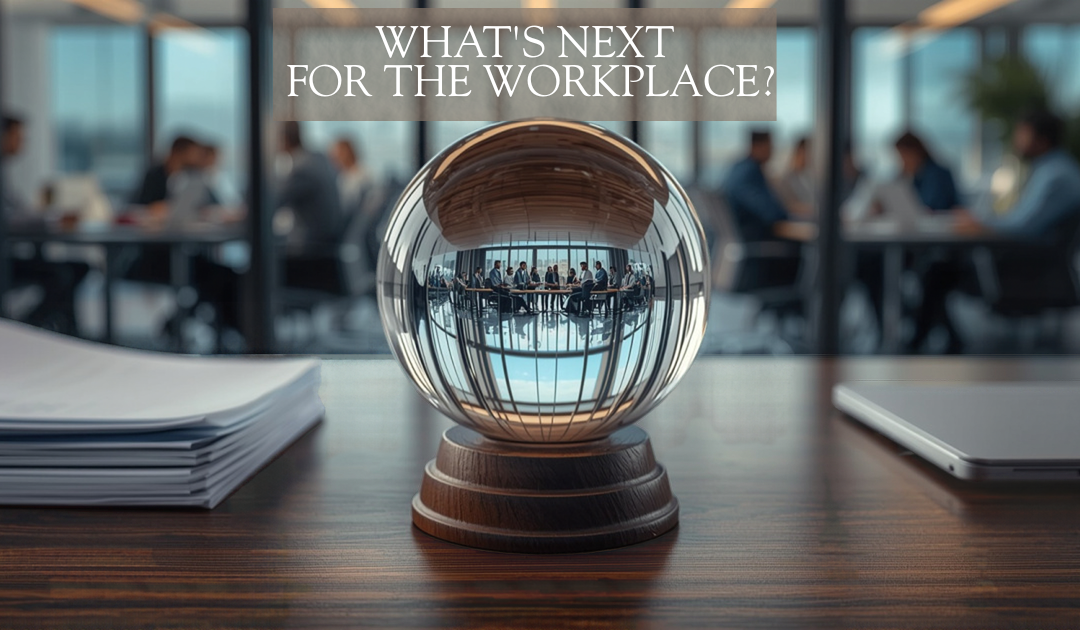
No crystal ball required.
Social Conversations Don’t Stop at the Workplace Door
Employees don’t leave their perspectives at the door when they come to work.
They bring their experiences, concerns, expectations, and understanding of the world with them.
As social issues receive more attention, employees may also become more comfortable asking questions, raising concerns, and challenging workplace practices that previously went largely unexamined.
As a result, employers may find themselves navigating new employee expectations before those expectations are necessarily reflected in legislation.
That doesn’t mean every social conversation will become an employment law issue. However, it does mean employers should pay attention.
Workplace Expectations Change Over Time
One of the challenges for employers is that workplace decisions are often viewed through today’s lens.
However, those decisions may have been made when expectations were very different.
A policy or practice that once seemed routine may be viewed differently as workplace culture evolves. That doesn’t necessarily mean an employer acted improperly at the time.
Instead, it demonstrates why employers should periodically revisit established practices.
Ask questions such as:
- Does this policy still make sense for our workforce?
- Are employees raising questions we didn’t hear several years ago?
- Are managers encountering new situations that our policies don’t address?
- Have workplace expectations changed?
- Have employment laws or regulations changed?
- Are we consistently applying our current policies?
Employers can’t control how society changes. However, they can evaluate whether their workplace practices have kept pace.
Employee Conversations Can Be an Early Signal
When employers hear employees discussing broader societal issues, it can be tempting to dismiss those conversations as unrelated to work.
Sometimes they are.
Other times, those conversations can provide valuable insight into emerging workplace concerns.
For example, changing expectations may eventually influence:
- Employee relations
- Manager and employee communication
- Workplace policies
- Requests for flexibility or accommodations
- Recruiting and retention
- Benefits and employee support
- Employment laws and regulations
Employers don’t need to take a position on every issue in the news.
Instead, listen for the workplace implications.
Understanding what employees are talking about can help leaders anticipate questions and recognize when an existing practice may deserve another look.
Maternal Mental Health Is One Example
Maternal mental health offers a particularly interesting example of how social awareness and workplace expectations can intersect.
Historically, workplace conversations surrounding pregnancy often focused heavily on physical needs, leave, and recovery. Today, there is greater workplace awareness of mental health conditions associated with pregnancy and childbirth.
Importantly, this is not simply a potential future employment issue.
The Pregnant Workers Fairness Act (PWFA) requires covered employers to provide reasonable accommodations for qualified employees and applicants with known physical or mental limitations related to, affected by, or arising out of pregnancy, childbirth, or related medical conditions, unless doing so would create an undue hardship. The EEOC specifically identifies postpartum depression as an example of a condition for which an employee may seek an accommodation, such as time away from work for therapy appointments.
Other federal protections may also apply depending on the circumstances. For example, the U.S. Department of Labor notes that federal protections for pregnant, postpartum, and nursing employees can involve the PWFA, FMLA, Title VII, and the FLSA as amended by the PUMP Act.
For employers, the bigger lesson goes beyond any one law.
Awareness changes conversations. Conversations can change employee expectations. And, sometimes, the law evolves alongside them.
Not Every Trend Becomes an Employment Law
Of course, not every social issue becomes a legal requirement.
Likewise, not every workplace concern raised by an employee will involve a legal obligation.
However, employers shouldn’t wait for a new regulation before evaluating whether a workplace practice is still effective.
There is a difference between asking:
“Are we legally required to do this?”
and:
“Is there a better way for us to handle this?”
Sometimes the answer to the first question is no, while the answer to the second may still be yes.
That distinction is important.
Pay Attention Before You’re Forced to React
The organizations that navigate workplace change successfully aren’t necessarily the ones that predict the future.
They’re the ones paying attention.
They listen to employees. In addition, they seek to understand emerging concerns and periodically evaluate whether their policies and practices still align with today’s workforce.
That may mean reviewing:
- Employee handbooks
- Accommodation procedures
- Leave practices
- Manager training
- Compensation practices
- Workplace flexibility
- Employee communication
- Recruiting and retention practices
The goal isn’t to change a policy every time a topic appears in the news.
Instead, the goal is to recognize when a larger shift may be taking place and determine whether it has implications for your workplace.
Don’t Predict the Future. Prepare for It.
Workplace expectations and employment practices don’t evolve in isolation. They are often influenced by larger conversations happening outside the workplace.
Over time, some of those conversations may also influence public policy, legislation, regulation, and how existing workplace protections are understood or applied.
That’s why paying attention matters.
Employers who listen are better positioned to understand employee concerns, recognize changing expectations, and evaluate their practices before they’re caught off guard.
The goal isn’t to predict the future perfectly. It’s to avoid being surprised by it.
Stay Ahead of Changing Workplace Expectations
Employment law and employee expectations continue to evolve. Waiting until an issue becomes urgent can make an already challenging situation even more difficult.
JB Consulting Systems helps employers understand emerging workplace issues, review HR policies and practices, and navigate employee relations challenges with a practical, people centered approach.
If you’d like to review your policies or talk through an emerging workplace concern, contact JB Consulting Systems. We’d love to help you think through what’s coming next.